
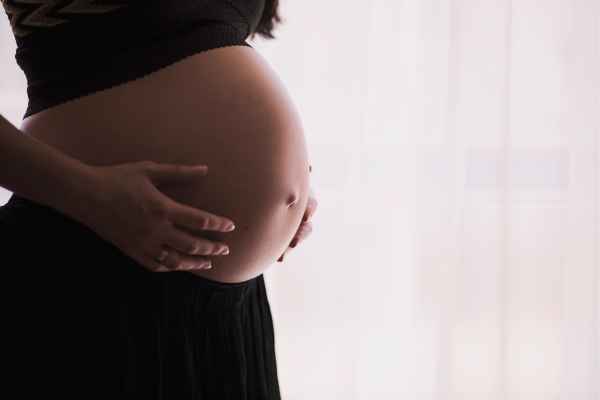
During pregnancy, the growing bump can stretch the muscles running down the front of your stomach. Sometimes, the two muscles move further apart than usual, leaving a wider space between them. This is known as diastasis recti Lancashire.
The connective tissue between these muscles, known as the linea alba, also stretches as the pregnancy progresses. The amount of separation varies from person to person.
It is a normal change associated with pregnancy, not a sign that you have done anything wrong. If you have concerns about abdominal separation or discomfort, your midwife or a women’s health physiotherapist can advise you.
It’s not a flaw or something you’ve done wrong—it’s simply your body making room for your baby. However, how that separation is managed can make a big difference in your recovery later on.
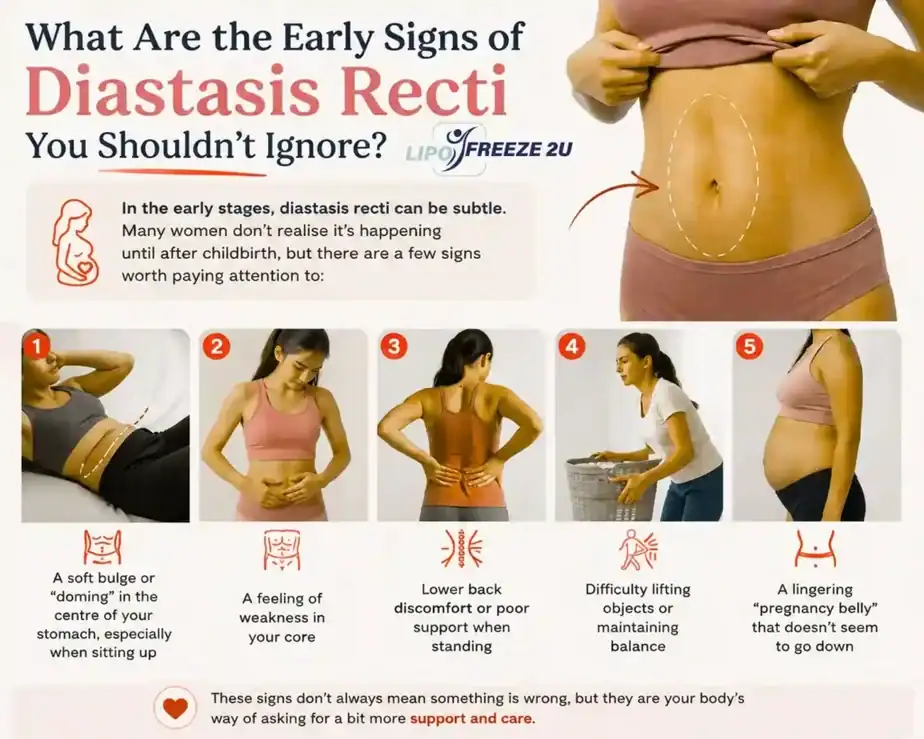
What Are the Early Signs of Diastasis Recti You Shouldn’t Ignore?
Some women notice changes in the shape of their abdomen as pregnancy progresses. A ridge or bulge along the middle of the stomach may become more visible during certain movements. Other symptoms can include a feeling of reduced abdominal support or discomfort:
See The 10 Benefits of Body Toning for Diastasis Recti Lancashire
- A soft bulge or “doming” in the centre of your stomach, especially when sitting up
- A feeling of weakness in your core
- Lower back discomfort or poor support when standing.
- Difficulty lifting objects or maintaining balance
- A lingering “pregnancy belly” that doesn’t seem to go down
These signs don’t always mean something is wrong, but they are your body’s way of asking for a bit more support and care.
Why Are Some Women More Likely to Develop Diastasis Recti Lancashire?
Some factors may be associated with a greater degree of abdominal separation during pregnancy. These include:
- Carrying twins or more than one baby
- Having had more than one pregnancy
- Changes in abdominal muscle and connective tissue strength
- Differences in how each person’s connective tissue stretches
The extent of separation varies, and it is not always possible to identify one specific reason. Having any of these factors does not mean that you will develop a more significant separation. Get Your Dream Body with Non-Invasive Fat Freezing
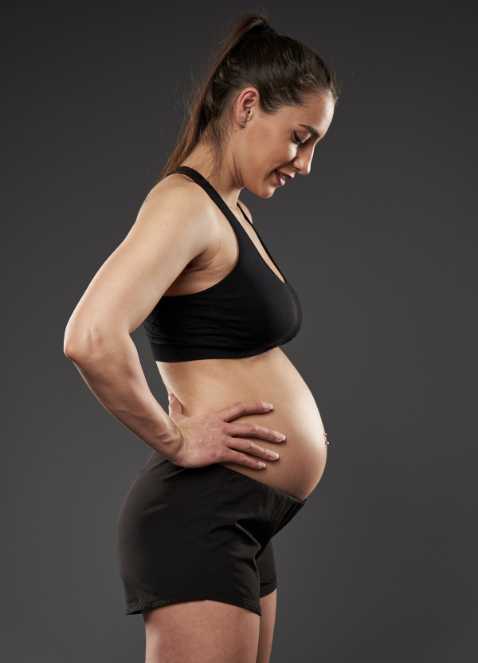
Can You Actually Prevent Diastasis Recti During Pregnancy Lancashire?
Prevention isn’t always guaranteed, but you can take steps to ease the strain and better support your body along the way.
There is no guaranteed way to prevent abdominal separation during pregnancy. However, some everyday habits can help you move more comfortably as your body changes:
- Choose gentle exercises that are suitable for your stage of pregnancy.
- Avoid movements that cause discomfort or a noticeable bulge along the middle of your abdomen.
- Take care when lifting, and avoid straining where possible.
- Roll onto your side before getting out of bed.
- Use supportive maternity clothing if you find it comfortable.
If you are unsure which movements are suitable, ask your midwife or a pregnancy physiotherapist for guidance.
What Exercises Are Safe (and Unsafe) for Your Core During Pregnancy?
Exercise is important during pregnancy, but the type of movement matters.
Safe and supportive exercises:
- Walking, if comfortable
- Gentle pelvic tilts
- Pregnancy-appropriate breathing and abdominal exercises
- Prenatal yoga or Pilates with suitable modifications
- Exercises recommended by your midwife or pregnancy physiotherapist See here: What Exercises Help Close Diastasis Recti (And What to Avoid)
Exercises to avoid or modify:
- Movements that cause pain, dizziness or discomfort
- Exercises that make you feel unsteady or increase the risk of falling
- Activities involving a risk of impact to the abdomen
- Movements that cause a noticeable abdominal bulge or excessive strain
- Exercises that your healthcare professional has advised you to avoid
If an exercise causes discomfort or you notice your abdomen bulging along the middle, stop and ask your midwife or physiotherapist whether it needs to be changed. Do not assume that one exercise is suitable for every stage of pregnancy.
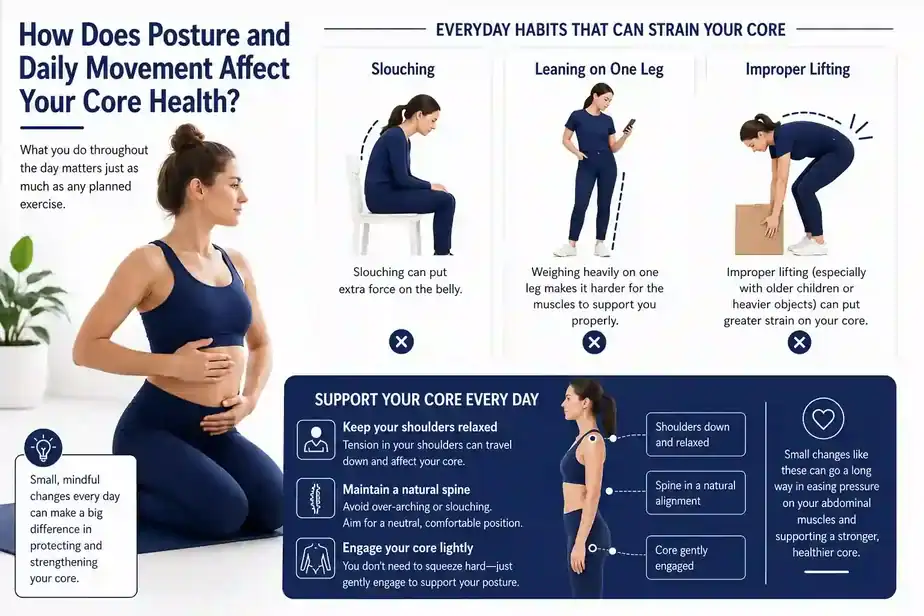
How Does Posture and Daily Movement Affect Your Core Health?
What you do throughout the day matters just as much as any planned exercise.
A few everyday habits can make movement more comfortable as your abdomen grows:
- Getting out of bed? Turn onto your side first, then use your arms to help you sit up.
- When picking something up, bend your knees and keep the item close rather than reaching out to lift it.
- Try not to hold your breath when lifting, pushing or carrying something.
- If a movement makes your stomach bulge along the middle, change how you do it or ask a physiotherapist for advice.
These adjustments can make everyday movements easier. They do not prevent or reverse abdominal separation, but they may help you manage physical strain during pregnancy.
What Should You Do If You Think You Have Diastasis Recti?
If you notice a gap or bulge along the middle of your abdomen, or feel that your abdominal muscles are not supporting you as they normally would, speak to your midwife or GP.
They can advise whether a further assessment is needed. A women’s health physiotherapist can also assess your abdominal muscles and recommend exercises suited to your pregnancy.
Here are some sensible next steps:
- Mention any bulging, discomfort or concerns at your antenatal appointment.
- Ask whether a physiotherapy assessment would be helpful.
- Follow exercise advice suited to your stage of pregnancy.
- Avoid movements that cause pain or excessive strain until you have received appropriate advice.
There is no need to blame yourself or rush into treatment. Getting the right advice is a sensible first step.
How to Overcome Erectile Dysfunction: Safe and Effective Solutions. Also Read It

How Can LIPO FREEZE 2U Support Your Post-Pregnancy Body Recovery?
After childbirth, some women may consider cosmetic treatments for concerns such as localised abdominal fat or changes in skin appearance.
LIPO FREEZE 2U Lancashire offers non-surgical body contouring treatments for selected cosmetic concerns. These treatments do not repair diastasis recti or replace postnatal physiotherapy.
If you are experiencing abdominal separation, weakness or discomfort, seek appropriate healthcare advice first. Any decision about cosmetic treatment should take account of your recovery, medical history and the suitability of the specific procedure.
FAQs : What Is Diastasis Recti and Why Does It Happen During Pregnancy?
Q: I still look pregnant months after giving birth—why hasn’t my stomach gone down, and could this be diastasis recti Lancashire?
There can be several reasons why your abdomen still looks different after childbirth. Diastasis recti is one possibility, but appearance alone cannot confirm it. If the bulge remains noticeable or you have discomfort, ask your GP or a women’s health physiotherapist about an assessment.
Q: I have a newborn and no time to spend an hour working out every day. How can I improve my core and recovery?
You do not need to set aside an hour every day. Start with gentle movement when you feel ready and follow the advice given by your midwife or physiotherapist. Even short periods of suitable activity can fit into a busy day.
Q: I’m worried I’ve done something wrong during pregnancy—could I have prevented this from happening?
In most cases, no. Diastasis recti Lancashireis influenced by the natural changes of pregnancy. It’s not something you should blame yourself for.
Some cosmetic treatments may address concerns about localised fat or skin appearance, but they do not repair separated abdominal muscles.
Q: My lower back has been aching since pregnancy—could this be connected to my core separation?
It is possible, but back pain during or after pregnancy can have several causes. Diastasis recti may occur alongside changes in abdominal support, but it is not possible to identify the cause of your pain from this symptom alone. Speak to your midwife or GP if it continues or affects your daily activities.
Q: Every time I try to exercise, my stomach bulges in the middle—am I making my condition worse?
A bulge along the middle of your abdomen can happen when the abdominal wall is under pressure. Stop the movement if it causes discomfort and ask a pregnancy physiotherapist which exercises may be more suitable. It does not automatically mean you have caused further damage.
Q: I’m considering non-surgical treatments to feel better about my body—will they help with diastasis recti Lancashire?
They can definitely help you feel more confident in how your stomach looks, especially if you’re dealing with stubborn areas. But for the actual muscle separation, you’ll still need to work on rebuilding your core strength alongside it.
For Further Information, Please Call Us ON 03300 105 225