

Most people start off with creams and serums when they want better skin—and honestly, that makes sense. They’re easy to use and can help your skin feel softer, more hydrated, and a bit fresher.
But after a while, you might notice the results kind of… plateau.
Skincare products and professional treatments serve different purposes. Creams and serums can help with hydration, surface texture and the appearance of fine lines, depending on their ingredients.
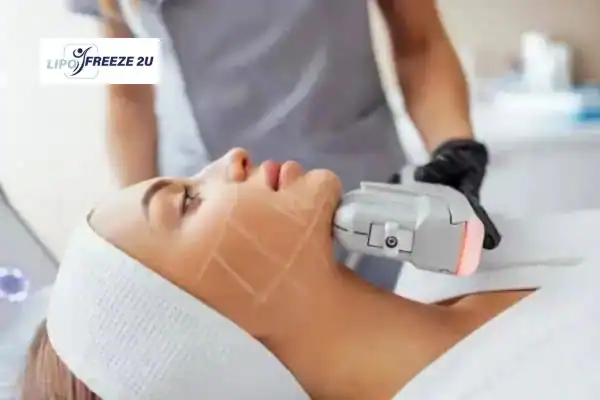
HIFU takes a different approach. It uses focused ultrasound energy to create controlled heating at selected depths beneath the skin. It is offered as a non-surgical option for people concerned about skin laxity, although the results depend on the device, treatment area and individual.
Neither approach replaces the other. Your choice depends on the skin concern you want to address and the kind of improvement you are expecting.
Why is HIFU Treatment so Popular?
HIFU appeals to people who want to explore a non-surgical approach to skin tightening. Unlike creams and serums, the treatment uses focused ultrasound energy beneath the skin’s surface.
The treatment does not involve surgical incisions. However, that does not mean everyone will experience the same level of comfort, recovery or visible change.
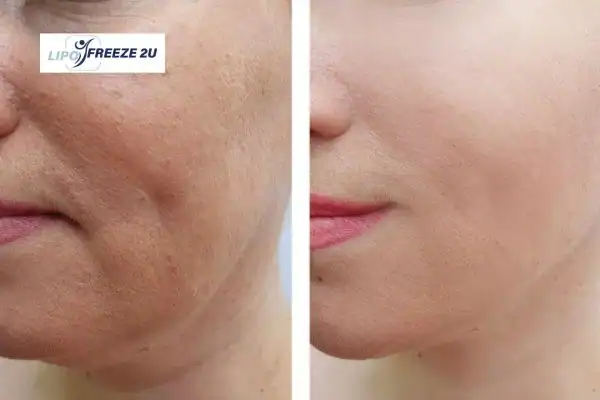
Some people consider HIFU for concerns such as mild skin laxity around the jawline, cheeks and neck. Whether it is suitable depends on the treatment area, the condition of the skin and the capabilities of the device being used.
A consultation with Lipo Freeze 2U Lancashire team can help establish whether the expected outcome is realistic or whether another approach would be more appropriate.
Options For Stubborn Fat with Aqualyx – The Fat Dissolving Injection
How Many Times Can You Have HIFU Treatment?
There is no single treatment schedule that applies to everyone having HIFU.
The number of sessions and the time between them depend on the device, the area being treated, the condition of the skin and the response to previous treatment.
A practitioner should assess these factors before suggesting another session. Repeating treatment simply because a certain number of months has passed is not a substitute for an individual assessment.
Before proceeding, ask how many sessions are being proposed, why they are recommended and when the results should be reviewed.
However, this can vary depending on:
- Your age
- Skin condition
- Desired results

Cost Comparison: Is HIFU Worth the Investment?
HIFU and everyday skincare involve different types of cost. Creams and serums are usually purchased as part of a regular routine, while HIFU is a professional treatment with a separate session cost.
The overall expense of HIFU depends on the area being treated, the device used and the number of sessions recommended. Skincare costs also vary depending on the products and how frequently they are replaced.
Rather than comparing the price of one treatment with the price of one skincare product, consider the total cost, the expected outcome and whether the treatment is suitable for your concern.
A consultation can help you understand the proposed treatment cost before making a decision.
So, is it worth it?
If you’re looking for real lifting, tightening, and neck-toning most clients would say absolutely yes.
Can You Combine HIFU with OTC Skincare Products?
HIFU treatment does not mean you need to stop your usual skincare routine. The two serve different purposes.
Moisturiser can help with dry skin, while sunscreen helps limit the effects of daily sun exposure. These products have a place in a regular skincare routine, whether or not you choose to have a professional treatment.
After HIFU, follow the aftercare instructions given by your practitioner. Ask when you can resume active skincare ingredients, particularly if your skin feels sensitive following treatment.
There is no need to introduce several new products at once. Keep your routine appropriate for your skin and follow any treatment-specific advice.Muscle weighs more than fat.
How Does HIFU Differ from Over-the-Counter Skincare?
IThe main difference is how these options are used.
Over-the-counter skincare products are applied to the skin. Depending on their ingredients and formulation, they can help with hydration, surface texture and the appearance of certain skin concerns.
HIFU is a professional procedure that uses focused ultrasound energy at selected depths beneath the skin. It is intended to address concerns such as skin laxity rather than everyday skin hydration.
The two options are therefore not direct substitutes:
- Skincare products: Used regularly to support skin hydration and appearance.
- HIFU: A professional treatment considered by people seeking an alternative approach to skin tightening.
The right choice depends on your concerns, expectations, budget and suitability for treatment. If you are considering HIFU, discuss the potential benefits and limitations with your practitioner.
HIFU vs LipoFreeze: Which Is Better Option for Skin Tightening Without Surgery?
Frequently Asked Questions : HIFU Treatment vs Over-the-Counter Treatments
Q: Does HIFU work better than skincare?
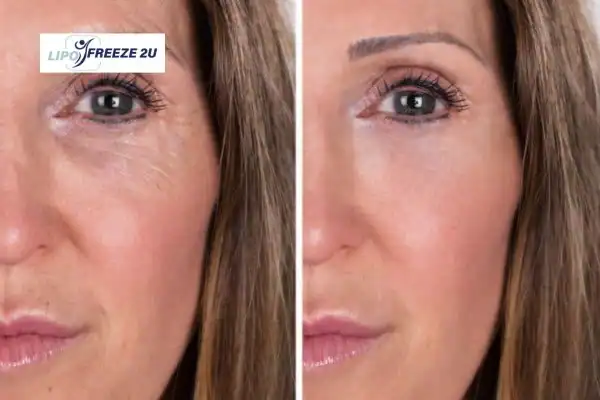
A cream or serum may be enough if your main concern is dry skin or its surface appearance. If loose skin is the issue, you may be looking at a different type of treatment. HIFU is one option, although it will not suit everyone. The first step is to have your skin assessed and discuss what the treatment can realistically achieve.
Q: Is it okay to stop applying skincare after HIFU?
Not really. HIFU treatments improve your skin, but great skincare keeps those results looking their best.
Q: How long do HIFU results last?
The duration of any improvement varies between individuals. It can depend on the device, treatment area, skin condition and other personal factors. Your practitioner should explain what can realistically be expected from the specific treatment being offered.
Q: Is HIFU safe?
HIFU is not suitable for everyone, and potential side effects depend on the device, treatment area and how the procedure is performed. Before treatment, ask about the practitioner’s training, the device being used, possible risks and any reasons the procedure may not be suitable for you.
Q: Are OTC products completely ineffective?
No. Many over-the-counter products are useful for everyday skin care. A moisturiser, for example, can ease dryness, while some ingredients may help improve the appearance of fine lines. They are not intended to produce the same effects as a professional skin-tightening procedure.
Q: Does HIFU hurt?
The sensation varies between individuals and can depend on the device and treatment area. Some people experience warmth, tingling or discomfort during the procedure. Ask your practitioner what to expect before your session.
Q: Who is the ideal candidate for HIFU Lancashire?
Age alone does not determine whether HIFU is appropriate. Skin condition, treatment goals, medical history and the suitability of the device all need to be considered. A consultation can help establish whether there is a genuine reason to consider treatment.
Q: Is HIFU suitable for younger people?
Age alone does not determine whether HIFU is appropriate. Skin condition, treatment goals, medical history and the suitability of the device all need to be considered. A consultation can help establish whether there is a genuine reason to consider treatment.
For Further Information, Please Call Us On 03300 105 225